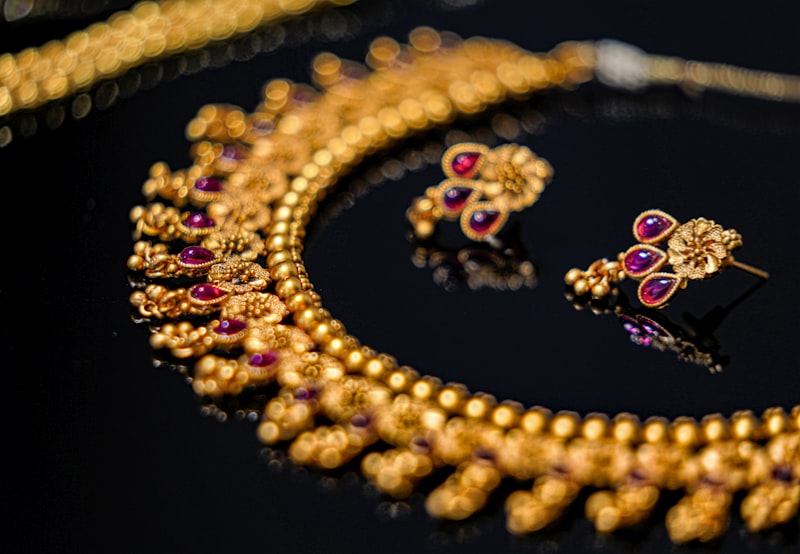


About Fine Gold Jewelry
Fine Gold Jewelry represents a tangible investment in both style and value—global demand for 18k gold pieces rose 12% last quarter. This guide helps discerning buyers distinguish between fleeting trends and enduring pieces, focusing on wearability, purity, and design longevity. For collectors, gifters, and self-purchasers, we clarify which gold type, setting, and weight align with your goals. Whether you’re building an heirloom collection or seeking versatile daily wear, understanding karat purity, alloy composition, and design intent ensures your purchase delivers lasting satisfaction.
Which Fine Gold Jewelry Styles Best Suit Daily Wear vs. Special Occasions?
Daily wear demands durability and versatility, while special occasions call for statement-making elegance. For office-to-evening transitions, 18k gold bangles (6-8g weight) resist scratches and pair effortlessly with professional attire. For formal events, diamond-accented pendants (0.5ct+) elevate necklines without overpowering your look. Those who love layering should opt for 2mm-4mm rose gold rings, which stack seamlessly for personalized combinations. Explore gemstone statement jewelry for more bold options.
Which Buyers Should Prioritize Solid Gold Over Gold-Plated Jewelry?
Solid gold offers unmatched longevity and purity, but it’s not essential for every buyer. Heirloom builders should invest in 18k signet rings (5+ grams), which withstand decades of engraving and polishing. Sensitive skin wearers benefit from solid gold hoops, which are nickel-free and prevent irritation compared to plated alternatives. Frequent travelers need durable pieces like 14k chain necklaces (3+mm thickness), which resist tangling during transit. If you prioritize lasting value and wearability, solid gold is the clear choice.
How Do Karat Weight and Alloy Composition Affect Gold Jewelry Durability?
Karat weight determines both purity and hardness, influencing how your jewelry withstands daily wear. 14k gold (58.3% gold) resists bending better than 18k (75% gold), making it ideal for active wearers. White gold requires rhodium plating every 2 years to maintain its luster, while yellow gold retains its hue naturally. For bracelets, a weight threshold of 10g ensures durability—pieces under this weight may dent during physical tasks. Pair your gold jewelry with men’s solid gold accessories for a coordinated look.
Does Solid Gold Jewelry Hold Value Better Than Fashion Alternatives?
Solid gold jewelry retains 95% of its melt value, while gold-plated pieces depreciate to 20% or less. Vintage 18k Cartier pieces, for example, appreciate 7-9% annually, making them a reliable investment. Over a lifetime, a $1,500 solid necklace outlasts 10+ $150 gold-plated versions, saving you money in the long run. For buyers seeking both beauty and financial security, solid gold is the superior choice.
What Is the Difference Between 14k and 18k Gold?
14k gold contains 58.3% pure gold mixed with durable alloys, while 18k gold is 75% gold—softer but richer in color. The higher gold content in 18k pieces gives them a deeper, more luxurious hue, making them ideal for special occasions. However, 14k gold’s added durability makes it better suited for daily wear, especially for active buyers.
How to Clean Gold Jewelry at Home?
Soak 18k gold jewelry in warm water mixed with mild soap for 10 minutes, then gently buff with a microfiber cloth. Avoid ultrasonic cleaners for delicate settings, as they can loosen stones or damage intricate designs. Regular cleaning maintains the jewelry’s luster and ensures it remains a cherished part of your collection.